




What Stress Does to Your Teeth
Did you know that stress doesn’t just affect how you feel, but can also quietly impact your teeth and gums? From teeth grinding to dry mouth, stress can cause changes in your body that show up in your oral health. So if you’re feeling stressed or are currently too busy to take a break, this is what you should be looking out for to protect your smile!
Teeth Clenching and Grinding (Bruxism)

During stressful periods, you might clench or grind your teeth without even noticing. Known as bruxism, this condition can often happen while you’re asleep or deeply focused. Over time, this can lead to worn or cracked teeth, jaw pain, stiffness, and even headaches.
If your jaw feels sore in the morning or your teeth feel sensitive, it’s a good idea to visit your dentist. They can check for signs of grinding and may recommend a custom mouthguard to protect your teeth and prevent clenching or grinding.
You can also reduce bruxism naturally by relaxing your jaw muscles. Simple techniques like deep breathing, gentle jaw stretches, meditation, or a warm compress on your jaw can help ease tension. Also consider avoiding hard foods, and try to keep your teeth slightly apart when you notice clenching during the day!
Gum Problems and Inflammation

Stress can also weaken your immune system, making it harder for your body to fight off bacteria in the mouth. This increases the risk of gum problems such as gingivitis or more severe gum disease. You may notice symptoms like tender or swollen gums, bleeding when brushing or flossing, and even persistent bad breath.
This may be further exacerbated if stress also causes you to skip your regular oral care routine, allowing plaque and bacteria to build up and further aggravate your gums.
To avoid this, be sure to keep up with brushing twice a day and flossing daily. Gentle workouts or simple breathing exercises can also help manage stress while supporting your body’s natural defences.
Dry Mouth (Xerostomia)

Another way stress can affect your oral health is through your salivary glands. During periods of tension, your body may produce less saliva due to hormonal changes that reduce saliva flow. Certain medications for stress or anxiety can also contribute to this.
When your body produces less saliva, your mouth can feel dry or sticky, and you might notice bad breath. You may also be more prone to cavities. That’s because saliva normally helps wash away food, neutralise acids, and keep bacteria under control to protect your teeth and gums.
To help manage dry mouth, consider limiting caffeine or alcohol (these can worsen dryness) and remember to drink water regularly to stimulate saliva.
Mouth Ulcers
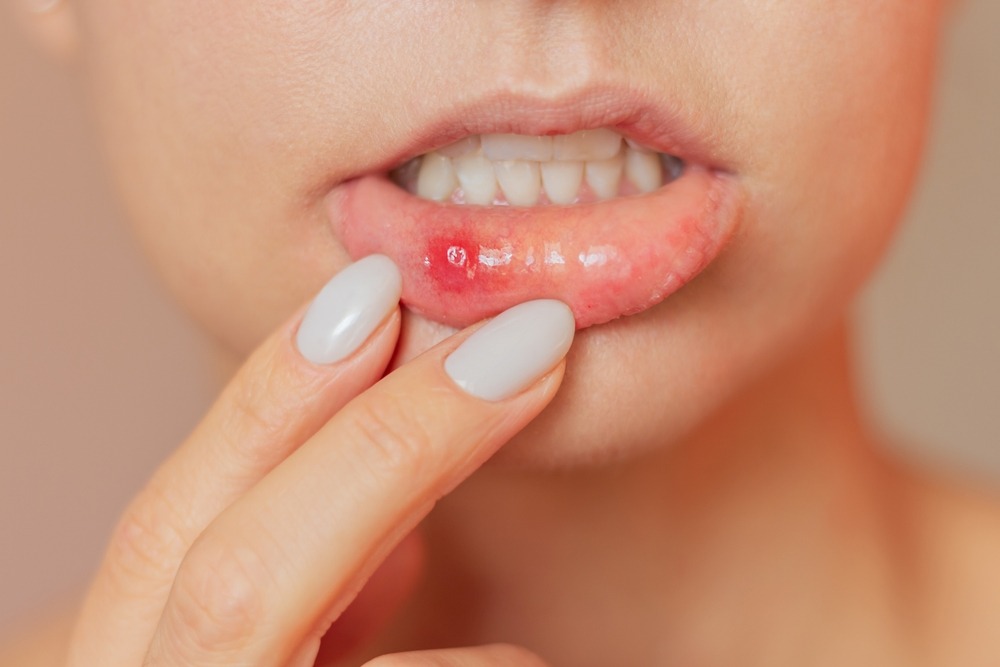
Mouth ulcers, also known as canker sores, can often develop during periods of high stress. These are small, round sores that commonly appear on the inside of your lips, cheeks, or on your tongue. They can be painful and make eating, drinking, or speaking uncomfortable. Stress may trigger these ulcers by affecting your immune system and increasing inflammation in the mouth.
Most ulcers heal on their own within one to two weeks, but there are ways to ease discomfort. This includes avoiding spicy, acidic, or rough-textured foods, rinsing your mouth with warm salt water, and maintaining good oral hygiene to prevent infection and support faster healing.
Protecting Your Teeth During Stressful Times

Taking care of your mind and your mouth go hand in hand. Here are a few other small habits that can help you care for your smile even during tough times:
- Relaxation techniques like deep breathing or short walks
- Stay active to release tension naturally
- Eat a balanced diet with plenty of fruits and vegetables
- Avoid smoking and limit alcohol
- See your dentist regularly for check-ups and advice
Taking Care of Your Smile and You
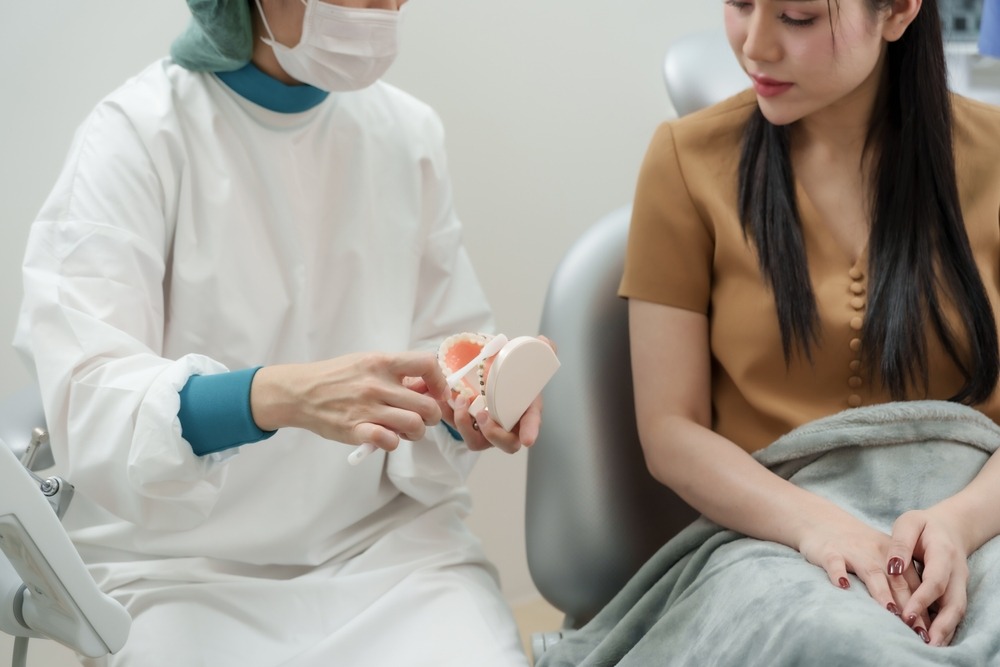
Stress is a normal part of life, but it doesn’t have to get in the way of a happy, healthy smile. By keeping up with your oral care, following simple daily routines, and visiting your dentist regularly, you can protect your teeth and gums even during busy or challenging days. A healthy mouth is more than just teeth, it’s a part of your overall well-being. So make it a habit to take small steps each day to care for both your body and your mind, and let your smile shine!
Tags: Dentist Singapore, Oral health, Stress, Teeth and Stress, TLC Dental Centre, TLC Dental Centre Singapore
