




A Quick Guide To Common Dental Treatments in Singapore: Root Canal, Wisdom Teeth & More
Not sure what to expect at the dentist? You’re not alone! With so many treatment names and terms, it’s easy to feel unsure about what each procedure actually involves. Good news though – we’re here for you. This guide breaks down common dental treatments in Singapore and explains what you can expect clearly and simply.
Root Canal

A root canal treatment might seem unfamiliar or confusing if you don’t know what it entails. However, it’s actually a common and effective way to save a tooth that has become infected or inflamed due to decay, injury, or trauma. Signs you may need a root canal include persistent tooth pain, swollen or tender gums, and tooth discolouration. You can read our guide to root canal symptoms here!
A root canal procedure usually involves numbing the affected area, then gently removing the infected pulp from inside the tooth and its root canals. The empty canals are then cleaned, disinfected, and shaped to be filled and sealed with a safe, rubber-like material to prevent future infection. A crown is also placed to protect the tooth (more on dental crowns below!) after the procedure.
Teeth & Jaw Alignment: Traditional Braces & Invisalign
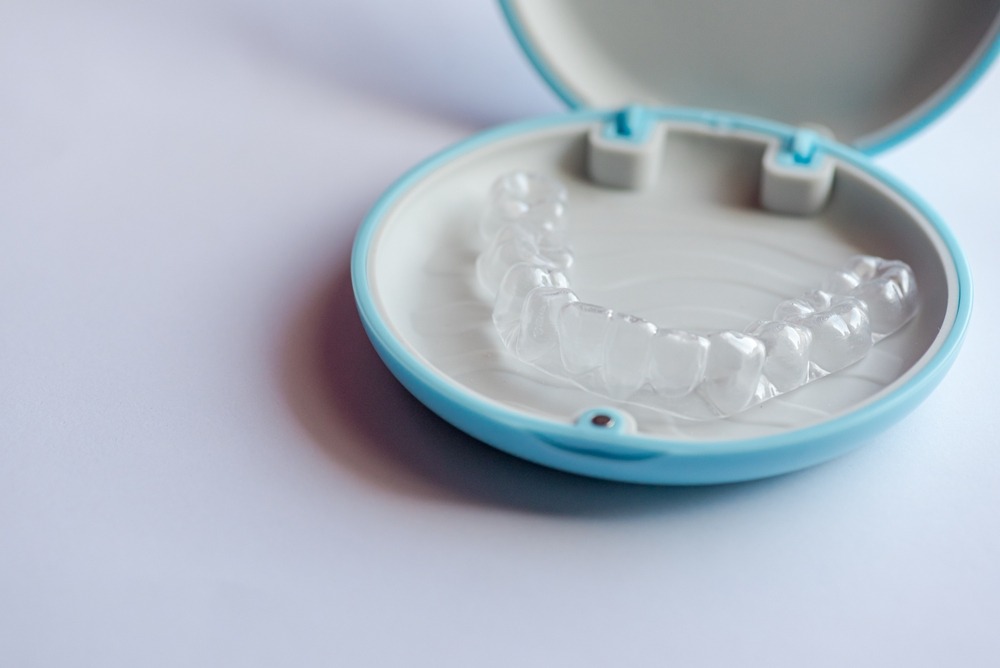
Looking to get your teeth straightened? You’ve probably heard about Invisalign and braces. These tried and true orthodontic treatments are great ways to align your jaws and teeth. However, they do differ in a few ways, such as material, method, and even time required.
Often recommended for more complex alignment or bite issues, traditional metal braces consist of wires and brackets fixed to your teeth. These are then adjusted regularly every few weeks by your orthodontist to guide your smile into place. Invisalign, on the other hand, is a popular pick for discreet treatment. It uses a series of clear, removable trays that are custom-made to gradually move your teeth into place.
Both options can give you great results — it just depends on your lifestyle, needs, and how complex your case is. If you’re still deciding between the two, we’ve broken it down further here: Invisalign vs Braces: Advantages & Disadvantages.
And if you need more guidance, we’ve got your back! TLC Dental Centre is all about making things easier.. These specially curated guides will walk you through what you need to know about the braces and Invisalign:
- 4 Signs You May Need Invisalign
- Getting Invisalign: What Happens During a Fitting At TLC Dental Centre
- The Dos and Don’ts of Wearing Invisalign
- Can My Child or Teen Use Invisalign?
Teeth Alignment: Aesthetic Braces And Brava By BRIUS
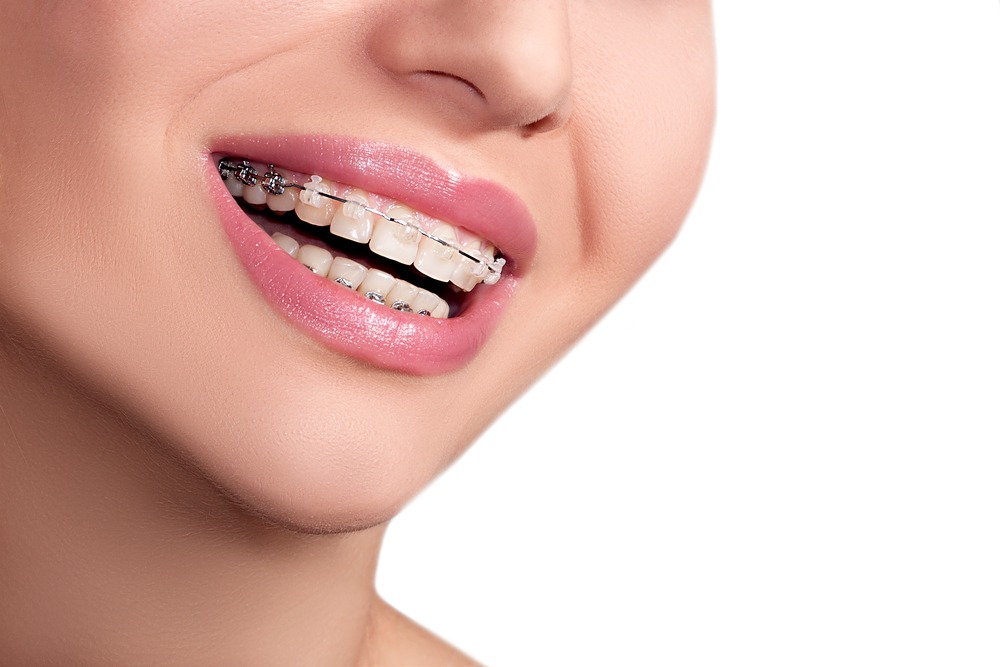
Remember, however: there are more options! Our clinic also provides different types of aesthetic braces and the all-new aligner technology, Brava by BRIUS – equally effective methods of aligning your jaws and teeth.
Aesthetic braces work just like traditional metal braces, but are designed to blend in naturally with your teeth. They use ceramic or tooth-coloured materials, making them less noticeable.
We also offer self-ligating braces like Damon and Damon Q, which use a special sliding mechanism instead of elastic bands. This helps reduce friction, makes the braces easier to clean, and may even shorten treatment time in some cases.
Then there’s Brava by BRIUS — a newer approach that’s a little different from both braces and aligners. Brava uses individual arms placed behind your teeth to move each tooth independently, all at the same time. Since it’s hidden from view and doesn’t require trays or visible wires, Brava is both discreet and efficient, ideal for those looking for a low-profile, yet high-tech option.
If you want the lowdown on all of TLC Dental Centre’s available aligners and how they work, check out our full guide to aligners here!
Same-Day Dental Crowns
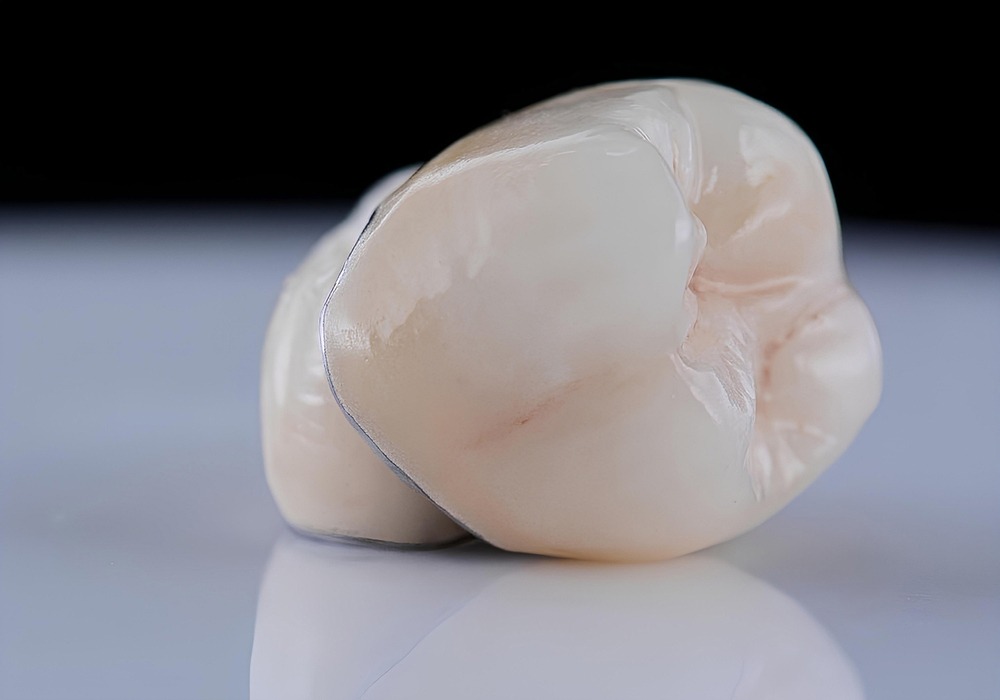
Dental crowns are custom-made caps that fully cover a tooth to restore its shape, strength, and appearance. They’re often recommended after a root canal, a large filling, or when a tooth is cracked or worn down. Once the crown is in place, the tooth is protected and can function like normal again.
With a traditional crown, the process usually takes a few visits. In the first appointment, your dentist will clean and reshape the tooth, then take a physical mould or digital scan. A temporary crown is placed while your custom crown is created in a dental lab, which typically takes about one to two weeks. You’ll then return for a second appointment to have your crown fitted and adjusted. It is only when your crown is perfectly matched to your bite that it will be cemented in place.
However, if you’d prefer to skip the wait, TLC Dental Centre also offers same-day dental crowns. Using the 3D technology or CEREC, your teeth are first scanned. Then using those images, your crown is precision crafted using our milling machine. And since the entire process is done in the dental clinic itself, you don’t have to come back for another appointment. Just set aside an afternoon to get your new, permanent dental crown.
Want to see how the two options compare? We break it down in further detail here: Traditional vs Same-Day Crowns: All You Need To Know.
Wisdom Tooth Surgery

A rite of passage for most adults, wisdom tooth surgery isn’t a completely unfamiliar one.
These last molars usually show up in your late teens or early twenties. Unfortunately however, they don’t always grow in the way they should. Some come in at odd angles, get stuck under the gum, or only partially erupt, which can lead to pain, swelling, or infections. (Read more about impacted wisdom teeth here!)
If this happens, your dentist may recommend surgery to remove them. The procedure is typically done under local anaesthesia, so you won’t feel any pain during the surgery itself. A small incision will then be made in the gum (if the tooth hasn’t fully emerged) to carefully remove the tooth. The area is then cleaned before being stitched closed. In most cases, healing only takes about a week and can be a relatively painless journey if you follow your dentist’s post-surgery guidelines closely.
P.S. Did you know that not everyone has wisdom teeth?
Routine Check-Ups And Scaling
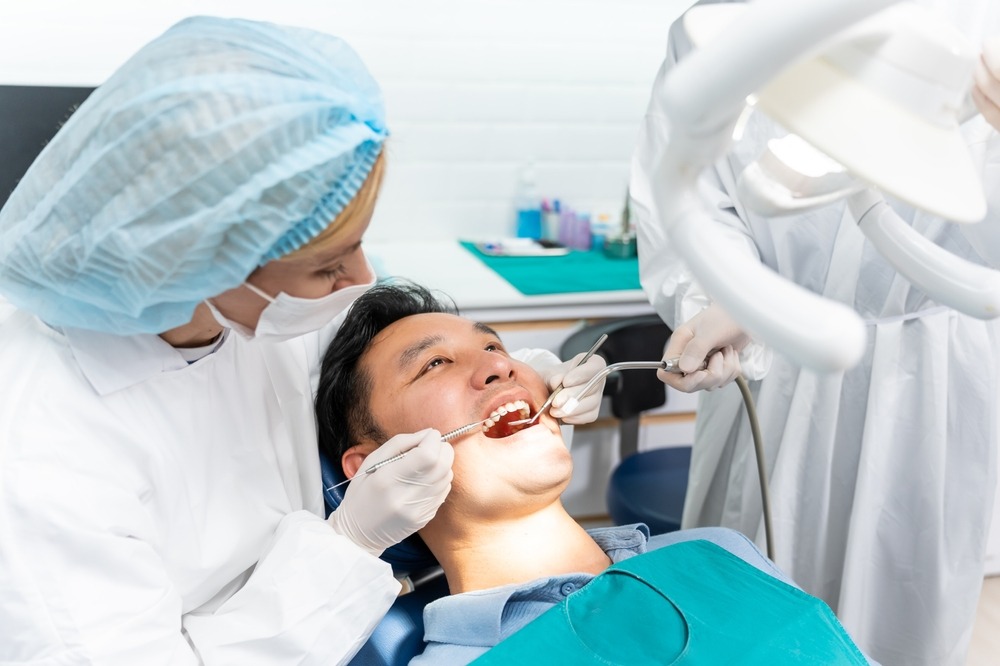
While the ideal frequency can vary from person to person, most patients benefit from visiting the dentist at least once or twice a year. These regular visits typically include professional scaling and polishing, a process that removes tartar buildup and helps prevent issues like gum disease and tooth decay.
Routine check-ups also allow your dentist to spot early signs of problems before they become serious, such as cavities, gum inflammation, or even persistent bad breath. Smokers in particular may require more frequent check-ups, as smoking can affect gum health, stain teeth, and slow healing after dental procedures.
Read more on how smoking impacts your dental health here!
So even if your teeth feel fine, it’s definitely worth prioritising preventive care. Many people delay visits, but keeping up with check-ups is one of the best ways to avoid surprises later.
The Bottom Line: Understanding Your Dental Options

Whether it’s root canals or wisdom tooth surgery, dental care shouldn’t feel overwhelming. That’s why we, at TLC Dental Centre, take the time to explain each procedure clearly, offer personalised recommendations, and ensure your comfort every step of the way.
Still have questions? Explore our full library of dental guides. We’re here to help make your next visit a little less daunting, and a lot more informed.

